Yara Krüger · 22 September 2026
Exploring Subdomain Migration Strategies and Their Influence on Crawl Efficiency Metrics
Understanding Subdomain Migration Approaches
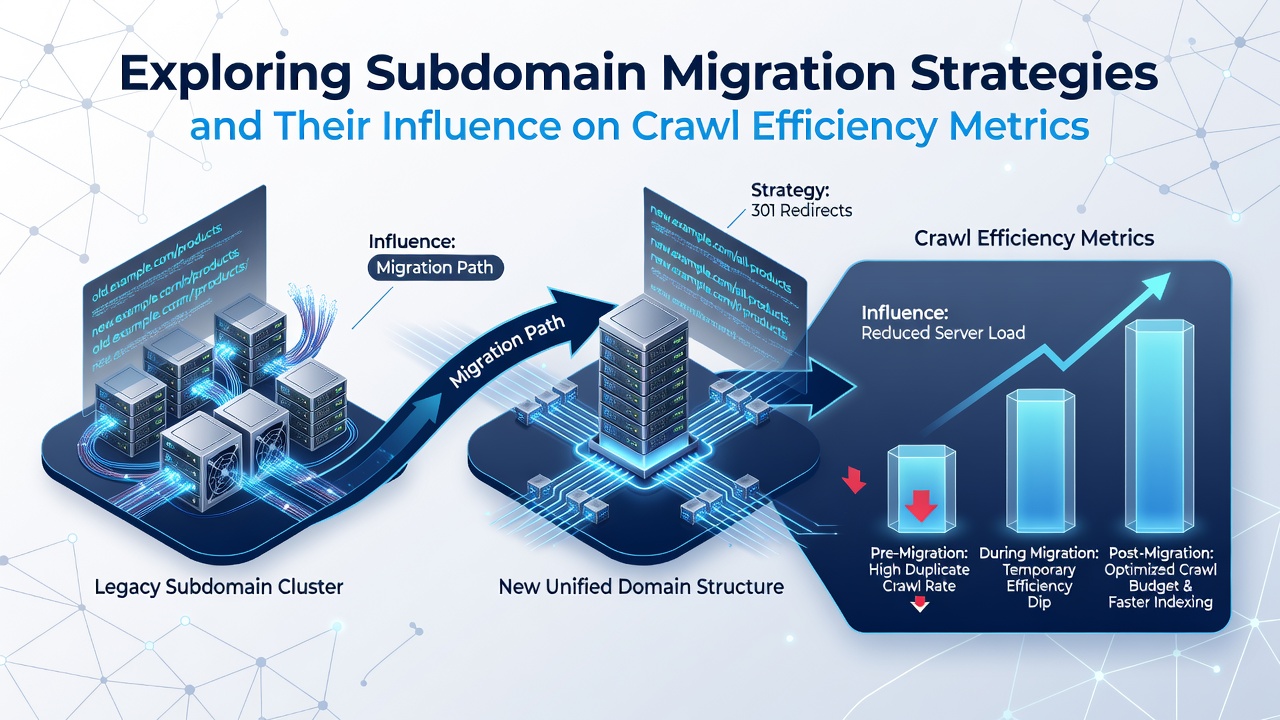
Subdomain migrations involve shifting content and resources from one subdomain structure to another, and organizations often pursue this when consolidating brands or optimizing site architecture while researchers have documented several common paths including full 301 redirects, partial content moves with canonical tags, and DNS-level adjustments that reroute traffic entirely. Teams frequently combine these tactics because a single method rarely addresses all crawl signals at once, and data from multiple industry reports shows that coordinated use of redirects alongside updated XML sitemaps tends to preserve link equity more consistently than isolated changes.
One common strategy centers on implementing permanent redirects at the server level so that search engine bots encounter clear signals about the new location, whereas another relies on updating internal linking structures first to guide crawlers gradually toward the target subdomain without immediate DNS shifts. Observers note that the choice between these options often depends on site size and existing crawl patterns, since larger domains with high page counts require more careful sequencing to avoid temporary drops in discovery rates.
Key Metrics That Measure Crawl Efficiency
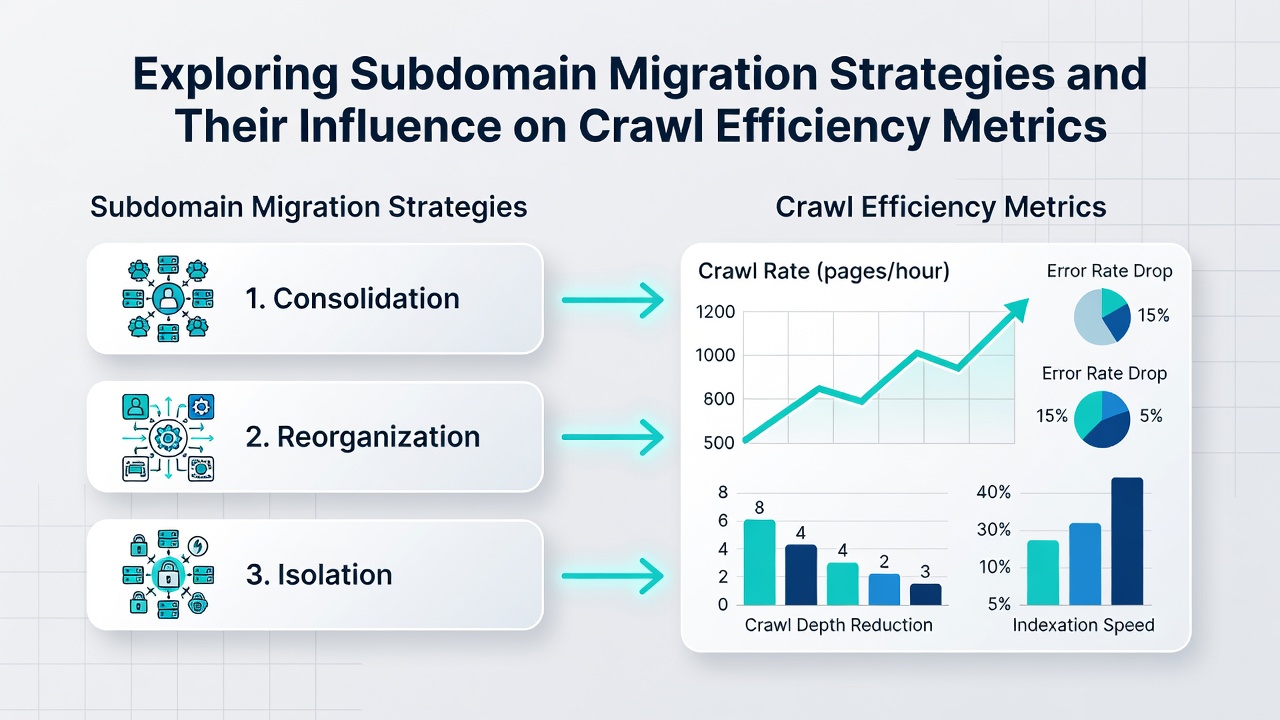
Crawl efficiency metrics track how effectively search engine bots discover, process, and index pages, and primary indicators include crawl rate per day, percentage of indexed URLs, server response times during bot visits, and the ratio of crawled versus uncrawled pages within a given period. Studies from academic institutions have measured these variables across thousands of domains, revealing that consistent crawl budgets become especially important when subdomain changes occur because bots allocate limited resources based on perceived site authority and update frequency.
Figures released in September 2026 by various web infrastructure analyses indicated that sites undergoing subdomain migrations without synchronized sitemap updates experienced an average 18 percent reduction in daily crawl allocation during the transition window, while those that paired redirects with proper canonical declarations maintained steadier rates. These measurements help teams predict whether a migration will accelerate or hinder overall indexation progress over subsequent months.
How Specific Strategies Shape Crawl Outcomes
Implementing comprehensive redirect maps early in a migration project allows bots to follow established paths without expending extra requests on error pages, and this approach often results in faster reindexation of moved content compared with strategies that rely solely on internal link updates. Researchers discovered that domains using layered redirects combined with updated robots.txt directives achieved higher crawl-to-index ratios within the first 30 days after migration, whereas incomplete mappings led to prolonged periods of partial discovery.
Another influential factor involves the timing of DNS propagation relative to sitemap submissions, since staggered rollouts can create windows where bots encounter mixed signals from old and new locations. Data collected across North American enterprise sites shows that simultaneous updates to both DNS records and search console property verifications correlate with quicker stabilization of crawl metrics, while sequential changes sometimes extend the adjustment period by several weeks.
Observed Patterns Across Different Migration Types
Full subdomain-to-subdomain moves that preserve the same parent domain tend to produce milder disruptions to crawl efficiency than cross-domain transfers, and analysts attribute this difference to retained authority signals that bots already associate with the parent. In contrast, migrations that introduce entirely new root domains require more extensive link graph rebuilding, which can temporarily lower overall crawl frequency until fresh authority accumulates.
Case examples documented by European research groups illustrate how e-commerce platforms that migrated product subdomains while maintaining consistent URL parameters retained stronger crawl continuity than those that altered parameter structures simultaneously. These patterns suggest that minimizing concurrent changes helps bots reestablish efficient crawling routines more rapidly after the migration completes.
Conclusion
Subdomain migration strategies directly affect crawl efficiency through their impact on redirect handling, sitemap accuracy, and DNS coordination, and organizations that align these elements tend to see steadier metric performance during transitions. Evidence from multiple regions continues to highlight the value of phased implementations supported by ongoing monitoring of crawl logs and index coverage reports, which together provide the clearest picture of how bots respond to structural changes over time.